


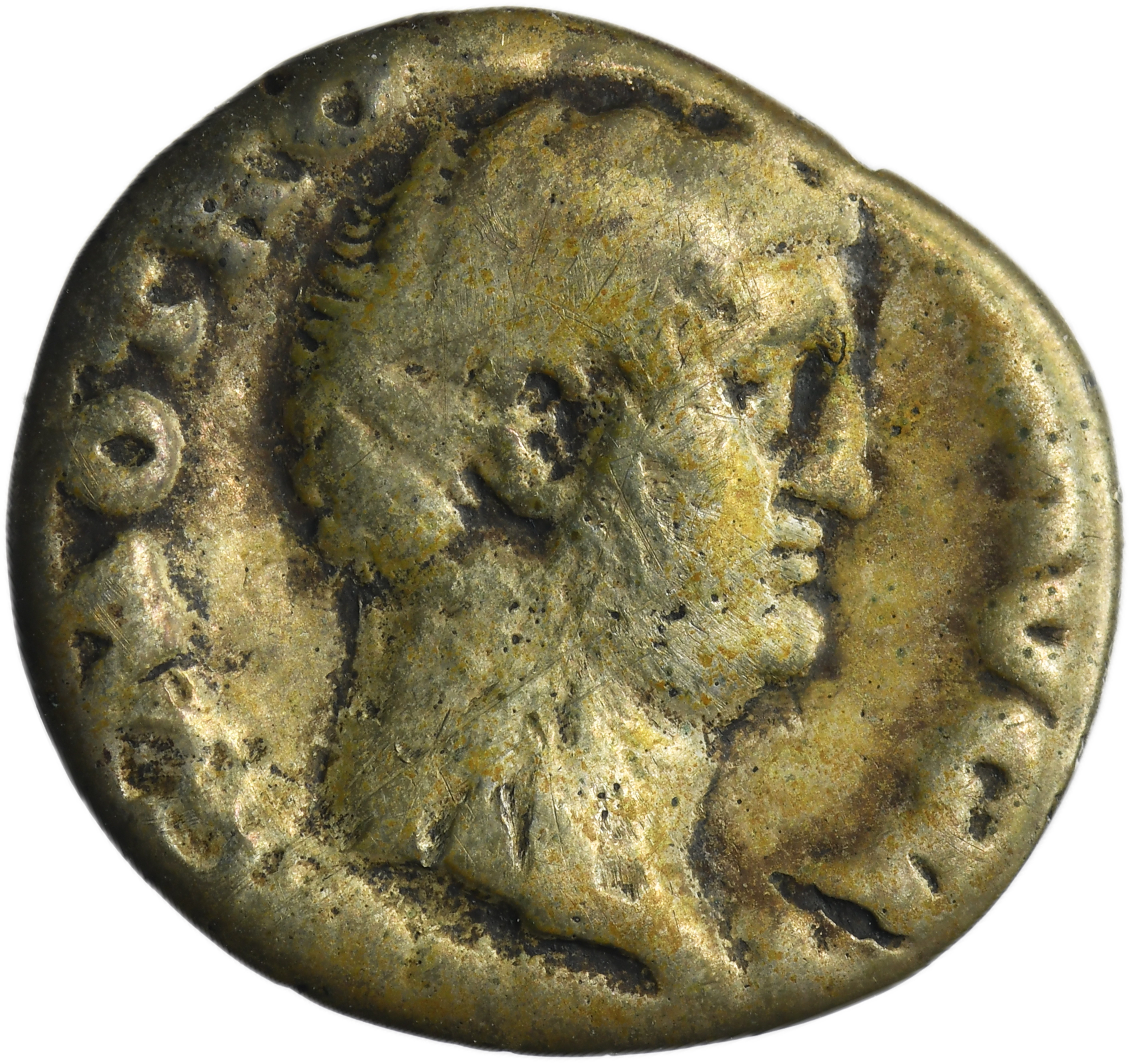
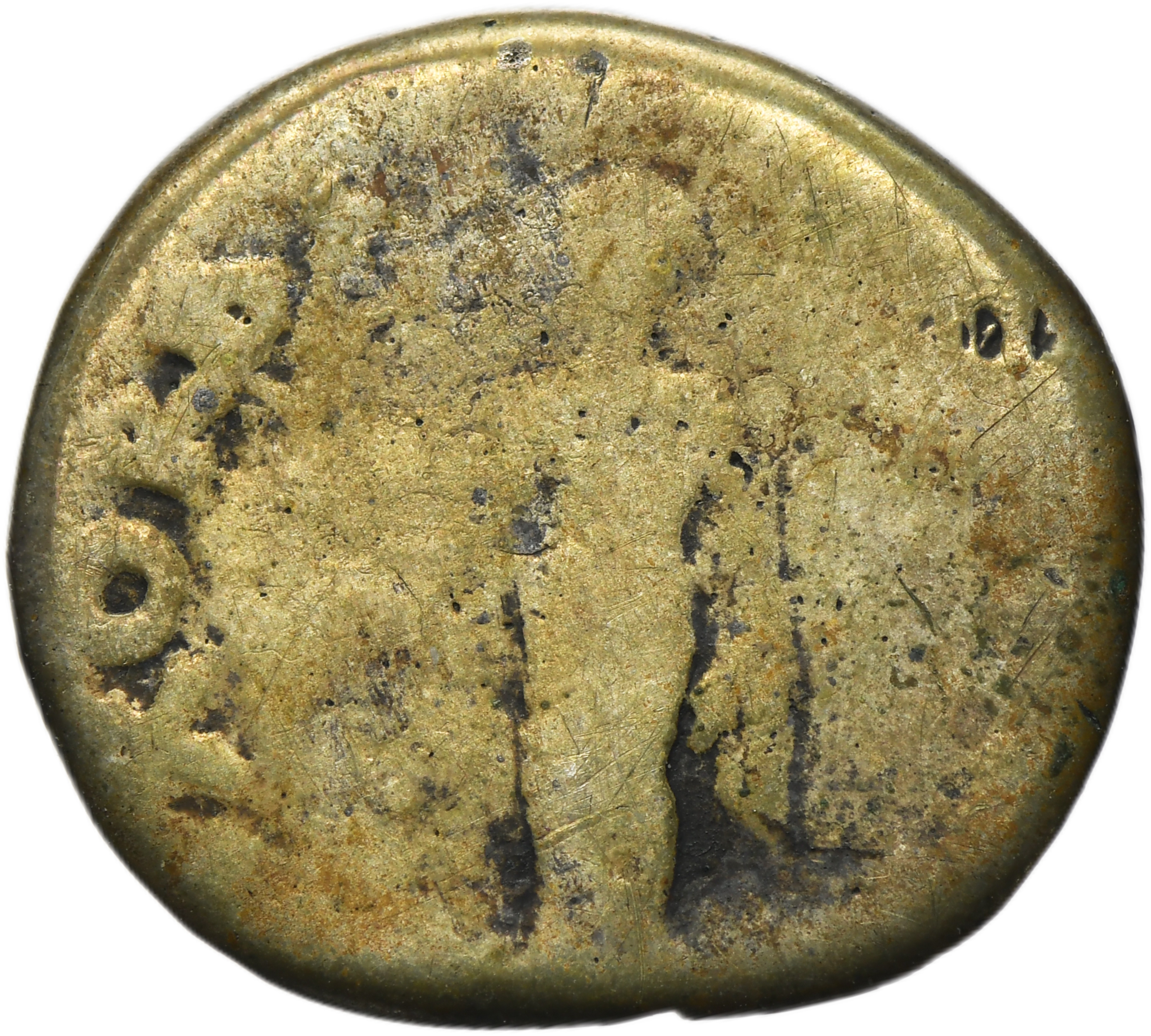


Very rare silver denarius of Marcus Salvius Otho, struck at the Rome mint in AD 69, belonging to the extremely limited output produced during his brief reign of approximately three months. This period, known as the Year of the Four Emperors, was marked by intensive yet short-lived mint activity, largely concentrated in Rome, which directly accounts for the scarcity of surviving specimens.
The obverse presents the head of the emperor facing right with the legend IMP OTHO CAESAR AVG TR P, reflecting the official titulature adopted after his accession on January 15, AD 69. The portrait type is particularly distinctive and aligns with ancient literary sources (notably Suetonius, De vita Caesarum), which describe Otho’s carefully arranged hairstyle—widely interpreted as a wig—making this one of the rare instances where a personal physical trait is so clearly mirrored in imperial coinage.
The reverse features Aequitas standing left, holding scales and a sceptre, accompanied by the legend PONT MAX. This imagery belongs to the well-established ideological repertoire of Roman coinage, where Aequitas embodies fairness and balance in governance, including integrity in monetary and fiscal matters. Its pairing with the title Pontifex Maximus emphasizes both the religious authority of the emperor and his role as guarantor of order.
From a numismatic perspective, Otho’s coinage is notable for its stylistic consistency and limited typological range, a direct consequence of the extremely short production window. Hoard evidence confirms that his denarii occur less frequently than those of both Galba and Vitellius, which is reflected in their relatively low representation in recorded finds.
Roman Imperial
Marcus Salvius Otho (69), Denarius 69, Rome
Obverse: bare head right
IMP OTHO CAESAR AVG TR P
Reverse: Aequitas, draped, standing left, holding scales in right hand and sceptre or rod
PONT MAX
Diameter 19 mm, weight 2.74 g











